You plunge the sink. You pour a bottle of drain cleaner down the tub. You even fish out the hair and gunk you can reach. For a few days, water moves the way it should. Then the same drain slows down again, and you are right back where you started. When a clog keeps returning after you clear it, the problem is almost never the thing you keep pulling out. Something deeper in the pipe is holding onto debris and refusing to let go.
If your drains keep clogging no matter what you try, you are dealing with a cause that lives past the reach of a plunger or a store-bought bottle. This guide walks through the real reasons drains clog over and over, how each one gets diagnosed, and what actually clears it for good.
Quick Answer: Drains that clog repeatedly are rarely a surface problem. The usual culprits are grease and soap scum coating the pipe walls, tree roots pushing into underground sewer lines, a bellied or sagging section that traps water and waste, a venting problem that starves the drain of air, or hard-water scale narrowing the pipe from the inside. Clearing the visible blockage does not remove any of these. A camera inspection finds the true cause, and the right cleaning method, usually hydro jetting rather than a simple snake, removes it completely.
The Difference Between Clearing a Clog and Fixing One
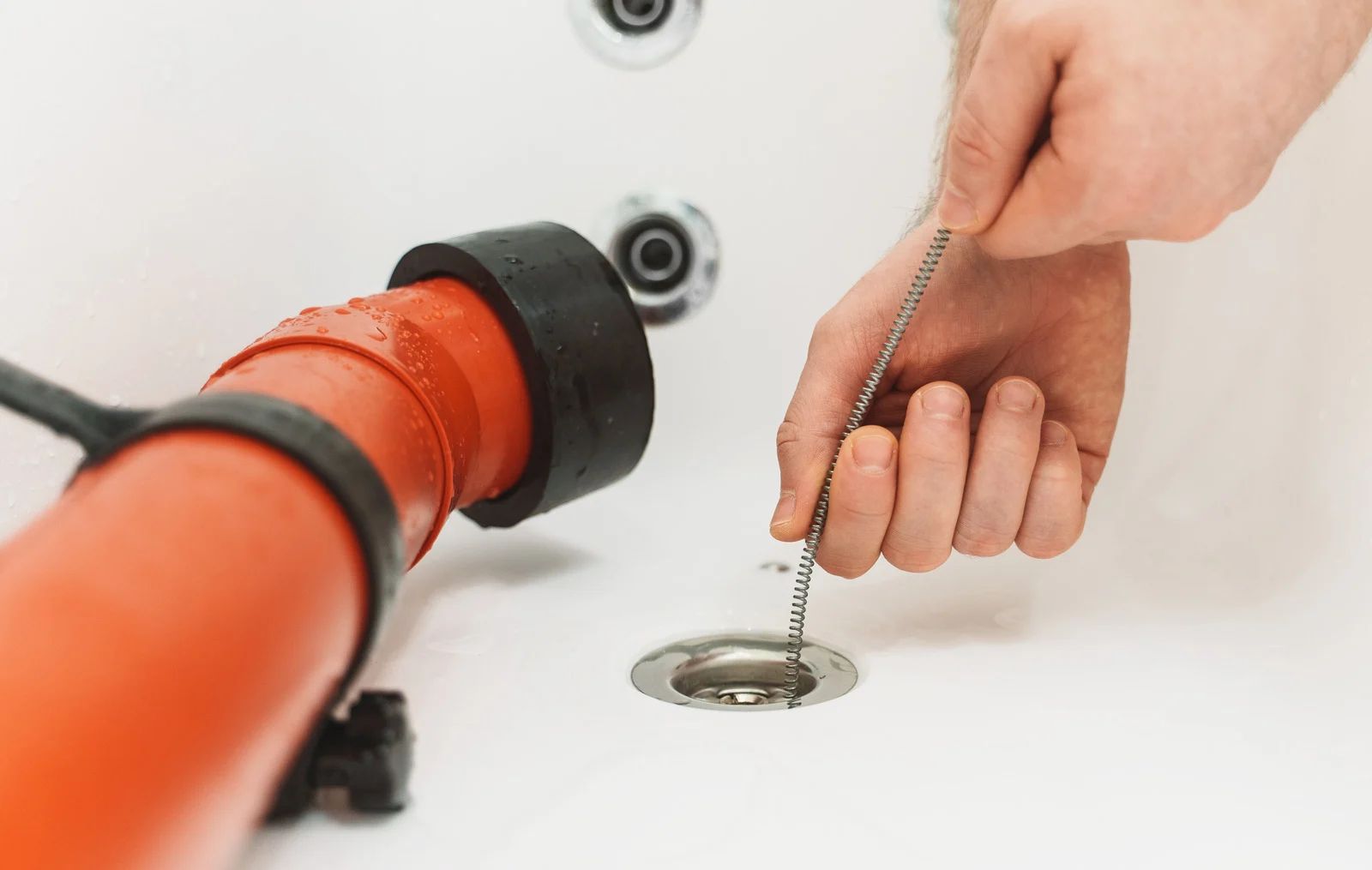
Here is the part most homeowners miss. A plunger and a drain snake both do the same basic thing. They punch a hole through the middle of a blockage so water can start moving again. That feels like a fix, but it leaves the buildup coating the pipe walls untouched. The passage you opened starts collecting debris immediately, and within weeks or months the drain slows down again.
Recurring clogs in the same line are the single clearest sign that buildup remains on the pipe walls. You are treating the symptom every time and never touching the cause. Once you understand that, the pattern of clogging, clearing, and clogging again starts to make sense. The following causes are what a snake leaves behind.
Grease and Soap Scum Coating the Pipe Walls
Every time you rinse a greasy pan or wash dishes, small amounts of fat and oil go down the drain. They cool inside the pipe and stick to the walls. Soap scum, food particles, and skin oils build on top of that layer. Over years, the inside of a pipe that should be smooth becomes rough and narrow, like arteries closing up.
This is why kitchen and bathroom drains are the most common repeat offenders. The buildup is not a single plug you can pull out. It is a coating that lines the entire pipe, and a snake bores straight through the center without scraping it off. If your home in the West Valley is more than ten or fifteen years old and the drain lines have never been professionally cleaned, only cleared, this buildup is almost certainly part of the story.
You can slow it down at the sink. You cannot reverse a decade of coating with anything you pour from a bottle.
TIP: Let hot water run for thirty seconds after you finish washing dishes. It helps push warm grease further down the line instead of letting it cool and harden right at the trap, where clogs most often start.
Tree Roots in the Sewer Line
This is the cause homeowners almost never suspect, and in Arizona it is far more common than people expect. Trees and shrubs are opportunistic. Their roots grow toward moisture, and a sewer line carrying warm, nutrient-rich water is a beacon in dry desert soil. Roots find their way in through the smallest openings, a hairline crack, a loose joint, or a tiny gap where two pipe sections meet.
Once inside, roots do not stay small. They branch out into a dense mass that catches everything flowing past, from toilet paper to grease. You clear it, the water flows, and the roots keep growing right back into the same spot.
The tells are specific. Slow drains throughout the whole house rather than one fixture, gurgling sounds from toilets, sewage odors in the yard, or wet spots in the lawn that have no other explanation. You do not need a large tree overhead for this to happen. Aggressive-rooted desert landscaping planted near a sewer line can send roots surprisingly far in search of water, and even newer homes across Glendale, Goodyear, and Surprise can develop root intrusion within a few years.
Roots get diagnosed with a camera inspection that sends a lens down the line and shows exactly where they are entering. From there, cutting the roots and clearing the line restores flow, and severe intrusion may point to a pipe repair or relay where the damage is worst.
A Bellied or Sagging Line
Drain pipes rely on a consistent downward slope to carry waste away by gravity. When a section of underground pipe sinks, it creates a low spot called a belly. Water and waste pool in that dip instead of flowing through, and solids settle there and build into a blockage that comes back no matter how many times you clear it.
Arizona soil is a big reason bellies form here. The ground shifts with moisture changes, monsoon runoff, and the natural expansion and contraction of desert soil, and caliche layers common across Maricopa County add their own stress on buried lines. Over time that movement pulls a pipe out of its proper grade.
A belly is not something a snake or a jet can fix, because the problem is the shape of the pipe, not what is inside it. A camera inspection confirms it by showing standing water sitting in a low section with no clog around it. Correcting a belly means excavating and re-grading or replacing that stretch of pipe so gravity can do its job again.
Venting Problems
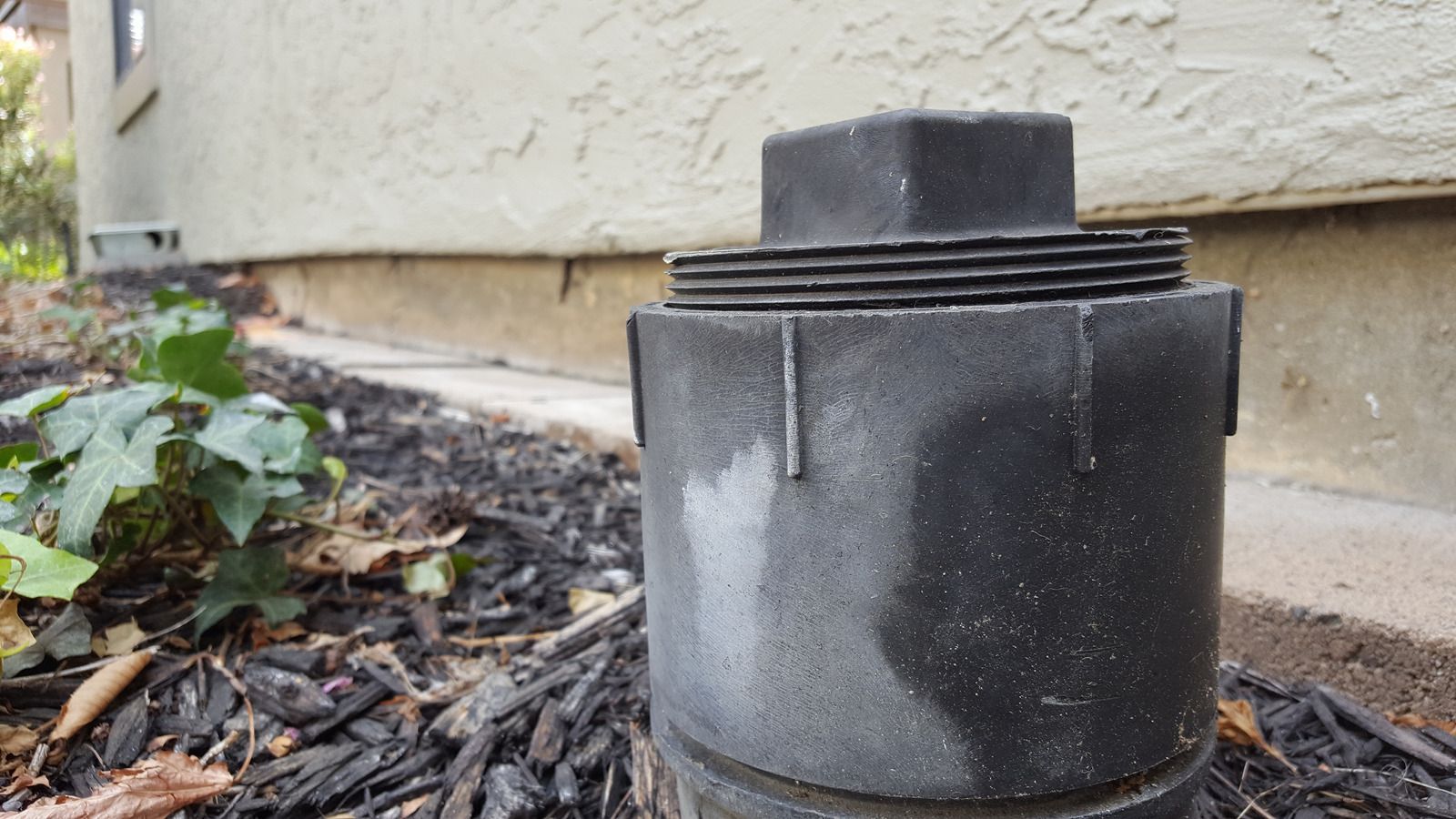
Your drain system is not just pipes carrying water down. It also has vent pipes running up through the roof that let air into the system. That air is what allows water to flow freely. Without it, you get a vacuum effect that slows drainage and pulls water out of traps.
When a vent gets blocked by a bird nest, leaves, or debris, drains start acting strange. You hear gurgling, water drains slowly across multiple fixtures, and traps empty out and let sewer odors into the house. Homeowners often mistake this for a clog and keep snaking the drain, but the pipe itself is clear. The problem is the air, not the water.
Venting issues get diagnosed by ruling out blockages in the drain and checking the vent stack from the roof. Clearing the vent restores the airflow, and the drainage problems that looked like a stubborn clog disappear.
WARNING: Store-bought chemical drain cleaners do nothing against roots, bellies, venting problems, or mineral scale, and repeated use generates heat and corrosion that can weaken older pipe walls and joints already stressed by hard water. Pouring more product down a drain that keeps clogging often damages the pipe you are trying to save.
Hard-Water Mineral Scale
Water across the Phoenix area and the West Valley is some of the hardest in the country, often measuring well into the double digits in grains per gallon. That water is loaded with dissolved calcium and magnesium. As it moves through your pipes, those minerals deposit on the walls as a hard, rough scale, the same chalky crust you see building on faucets and showerheads.
Inside a drain line, that scale narrows the pipe and gives grease, hair, and soap scum a rough surface to cling to. A pipe that started smooth becomes a magnet for buildup. This is a slow, quiet process that stresses drain systems across older Litchfield Park and Peoria homes especially, where lines have had decades to accumulate deposits.
Scale gets confirmed with a camera and removed with high-pressure cleaning rather than a snake, since a cable slides right past a hard coating without cutting it off the wall.
Why Hydro Jetting Works When Snaking Does Not
Most of the causes above share a common thread. They coat or narrow the whole pipe rather than forming a single plug, and a snake cannot touch a coating. That is where hydro jetting changes the outcome.
Hydro jetting sends water through the line at very high pressure, scouring the entire inner circumference of the pipe. Instead of punching a hole through a clog, it strips grease, scale, sludge, and root debris off the walls and flushes it away, leaving the pipe closer to its original diameter. For recurring clogs, heavy grease, and root buildup in a structurally sound line, it is the method that actually lasts.
Snaking still has its place. For a single fresh clog in one fixture, or in a fragile older pipe that could not handle high pressure, a snake is the gentler and appropriate choice. The key is knowing which problem you have, and that is why a camera inspection comes first. Jetting a line before confirming its condition, or jetting a bellied or badly cracked pipe, can do more harm than good. Diagnosis before treatment is what separates a lasting fix from another temporary one.
Frequently Asked Questions
Why does my drain clog again a few weeks after I snake it?
Because a snake clears a path through the center of a blockage but leaves the buildup coating the pipe walls behind. That residue starts catching debris again right away. A drain that reclogs within weeks is telling you the walls still need to be cleaned, not just cleared, which usually means hydro jetting rather than another pass with a cable.
How do I know if the problem is one drain or my main line?
If a single fixture is slow, the clog is usually local to that branch. When several drains slow down at once, toilets gurgle, or the lowest drains in the house back up first, the trouble is likely in the main sewer line that everything connects to. Whole-house symptoms point toward roots, a belly, or a main-line blockage, all of which need a camera to pinpoint.
Can tree roots really get into my pipes in the desert?
Yes, and it happens more than people expect. Roots grow toward the moisture and nutrients inside a sewer line, and in dry Arizona soil that line is one of the few reliable water sources around. Even modest landscaping planted near a buried pipe can send roots into a crack or joint, and the intrusion returns after every clearing until the entry point is addressed.
Is it bad to keep using liquid drain cleaner in the meantime?
Repeated use is hard on your pipes. These products generate heat and are corrosive to joints, seals, and older pipe materials already weakened by years of hard water. They also do nothing against roots, bellies, venting problems, or scale, so on a recurring clog you get pipe wear without solving anything.
How often should drain lines be professionally cleaned?
For most homes, every one to two years keeps buildup from reaching the point where it causes backups, though heavy use, older pipes, and very hard water can call for more frequent attention. A camera inspection during service shows whether your specific lines need cleaning sooner.
Stop the Cycle, Find the Real Cause
A drain that keeps clogging isn't bad luck, and it isn't something you did wrong at the sink. It's a signal that something deeper in the line, a coating, a root, a sag, or scale, is holding on and will keep holding on until it's properly found and removed. Clearing the visible blockage buys you a few weeks. Finding the actual cause buys you years, and that starts with getting eyes inside the pipe.
With 21
years serving Litchfield Park, Arizona homeowners, Drain Squad A Plumbing & Drain
knows exactly how hard water, desert soil, and root-hungry landscaping cause these repeat clogs. Our camera inspections identify what's really happening before we recommend jetting, snaking, or a repair. Ready to find out why your drains really keep clogging and put an end to it for good? Schedule an evaluation and get a lasting fix built on an accurate diagnosis.