Quick Answer: Liquid drain cleaners work by triggering a fast chemical reaction, usually with lye or bleach as the active ingredient, that dissolves hair and grease on contact. That same reaction generates heat inside the pipe, and repeated use wears on joints, seals, and older piping long before it solves a stubborn clog. If a clog sits below the trap, involves tree roots, or has built up over months, the bottle usually buys a few days of relief at best. A camera look at the line and mechanical clearing methods reach the actual blockage without the chemical exposure or the pipe wear.
You pour the bottle in, wait, flush with hot water, and expect the problem gone. Sometimes it works, for a little while. Then the same drain slows down again a few weeks later, and you're left wondering whether the chemical did anything at all or just made the situation harder to fix.
What actually happens inside the pipe when that bottle goes to work changes how you think about reaching for it next time. The reaction that clears hair and grease is the same reaction that stresses your plumbing. Knowing where that line sits helps you use these products smarter, or skip them entirely for the clogs they were never built to handle.
What's Actually Inside That Bottle
Most liquid drain openers rely on one of two chemistries. Alkaline formulas use sodium hydroxide, commonly known as lye, which breaks down hair and grease through a process called saponification, turning fat into a soap-like film that can wash away. Acidic formulas, less common on store shelves but still around, use sulfuric acid to eat through blockages from the outside in.
Both sit at the extreme edges of the pH scale. A caustic drain opener can register as alkaline as household lye. An acidic one is just as aggressive in the opposite direction. That extremity is the whole point, because mild chemistry would never touch a wad of hair and soap scum sitting in a P-trap. These products are built to react fast and hard, and that reaction doesn't stop the moment the clog clears. It keeps working on whatever it touches next, including the inside of the pipe itself.
The reaction also throws off heat. Pour a caustic cleaner into standing water in a clogged sink and the mixture can climb well above the temperature it started at. That heat does double duty. It breaks apart the blockage while softening glue joints on PVC lines, stressing rubber seals, and wearing on pipe sections already thin from age or mineral buildup.
Why the Clog Often Comes Back Anyway
Most drain cleaners are built to dissolve organic buildup, hair, soap, grease, sitting relatively close to the drain opening. They aren't built to travel far down a line, and they can't do much about a mechanical obstruction like a section of pipe that sags and traps water, a joint where roots have worked their way in, or a stretch narrowed by years of scale.
So the bottle goes to work on the surface layer closest to where you poured it. If that layer clears, water starts moving and the immediate symptom disappears. But if the real cause sits further down, past where the chemical can reach, you've only cleared the part that was easiest to dissolve. The underlying restriction is still there. It starts collecting debris again almost immediately.
This is the pattern homeowners describe as a clog that keeps coming back no matter what they try. It's rarely bad luck. Usually it's a sign that the chemical treated a symptom near the surface while the actual obstruction, whether that's buildup lining the pipe walls, a root intrusion, or a structural issue in an aging line, stayed exactly where it was.
TIP: If a drain slows down again within a few weeks of using a chemical cleaner, treat that as a signal, not a coincidence. A repeat clog in the same spot almost always means the source of the blockage was never actually removed, only interrupted for a while. A camera inspection at that point tells you what's really going on instead of guessing with another bottle.
What Repeated Use Does to Older Plumbing
West Valley homes carry a specific set of plumbing stresses that make chemical drain cleaner use riskier here than in a lot of other places. Hard water throughout the region leaves mineral deposits inside pipes over time, narrowing the interior and creating rough surfaces where buildup collects faster. Pipes already carrying scale are more vulnerable to the added heat and corrosion a chemical cleaner introduces, since the protective smoothness of the interior surface is already compromised.
A lot of older homes in Litchfield Park and the surrounding communities still have galvanized steel supply lines or original cast iron drain sections. Both corrode from repeated chemical exposure far more than modern PVC or ABS. Even in homes with updated piping, the solvent-welded joints holding PVC and ABS sections together can soften slightly under the heat a caustic reaction generates.
One use rarely causes a visible problem. But regular use, month after month, in a household that treats chemical cleaner as routine maintenance, is a different story entirely. The wear adds up quietly and shows up later as a leak at a joint, a crack in a weakened section, or a line that fails sooner than it should have.
Where the Real Risk Increases
Certain situations turn an occasional inconvenience into a genuine hazard, and it pays to know where that line sits before you reach for a bottle.
Never combine a chemical drain cleaner with any other household cleaning product, especially anything containing bleach or ammonia. Mixing an acidic drain opener with a chlorine-based cleaner, or pouring a second product on top of standing drain cleaner still sitting in a sink, can release fumes strong enough to cause real respiratory harm in an enclosed bathroom or kitchen. If a first attempt doesn't clear the drain, the answer is never a second, different product poured on top of the first.
WARNING: Standing water in a sink or tub after a failed attempt with chemical cleaner means the product is still sitting in the line, often at full strength. Reaching in with a plunger, a hand, or a drain snake at that point risks a chemical burn to skin and eyes from splashback. Let a plumbing professional handle removal once a chemical treatment has failed rather than working on it yourself.
Septic systems deserve their own caution. The bacterial balance that breaks down waste in a septic tank can get disrupted by regular chemical drain cleaner use, since the same caustic reaction that dissolves hair in a pipe doesn't distinguish between a clog and the organisms doing the work downstream. Garbage disposals are another weak spot for these products. The churning blades and food particles create an environment where the chemical struggles to make consistent contact with whatever is actually restricting flow.
Safer Ways to Handle a Clog That Won't Quit
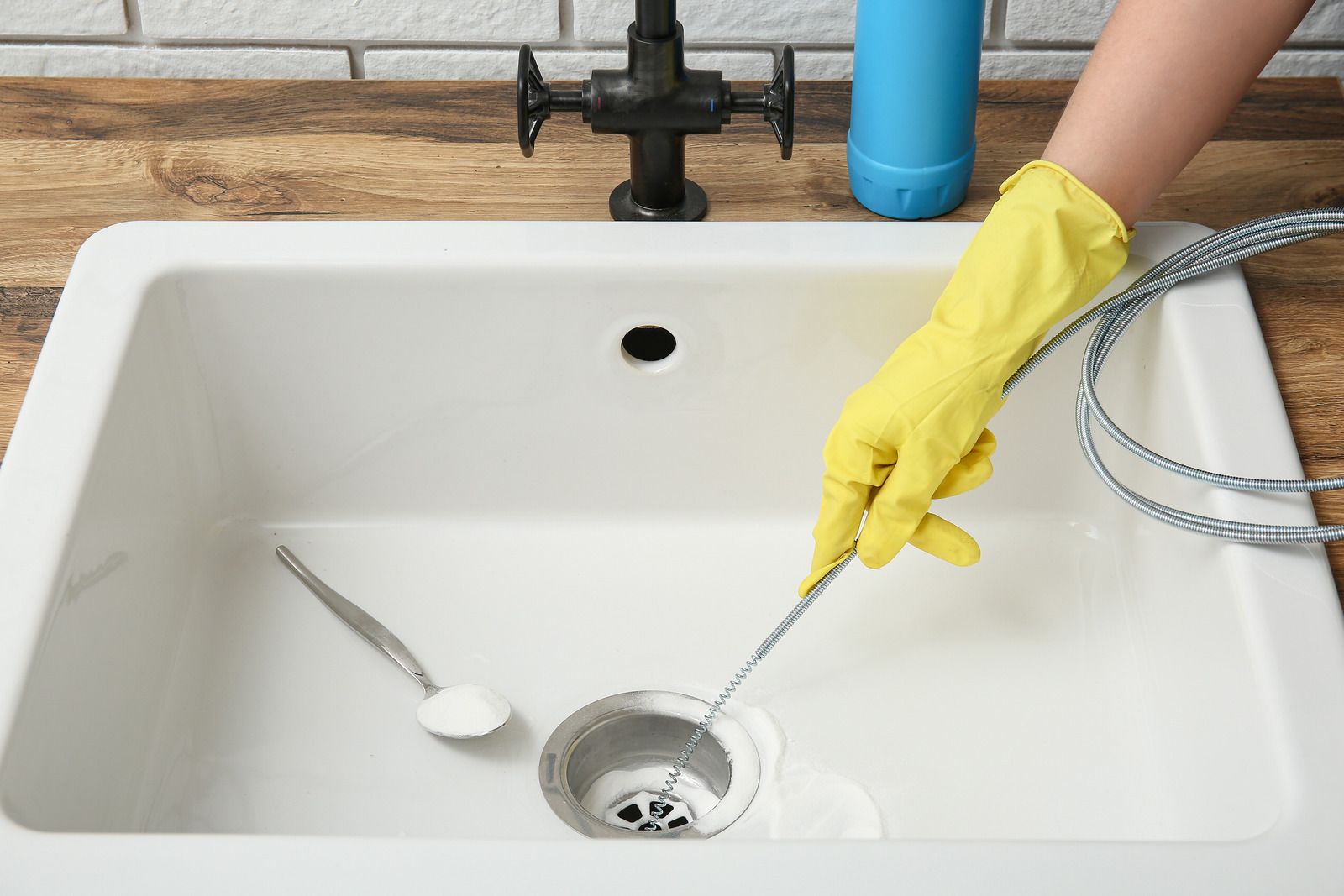
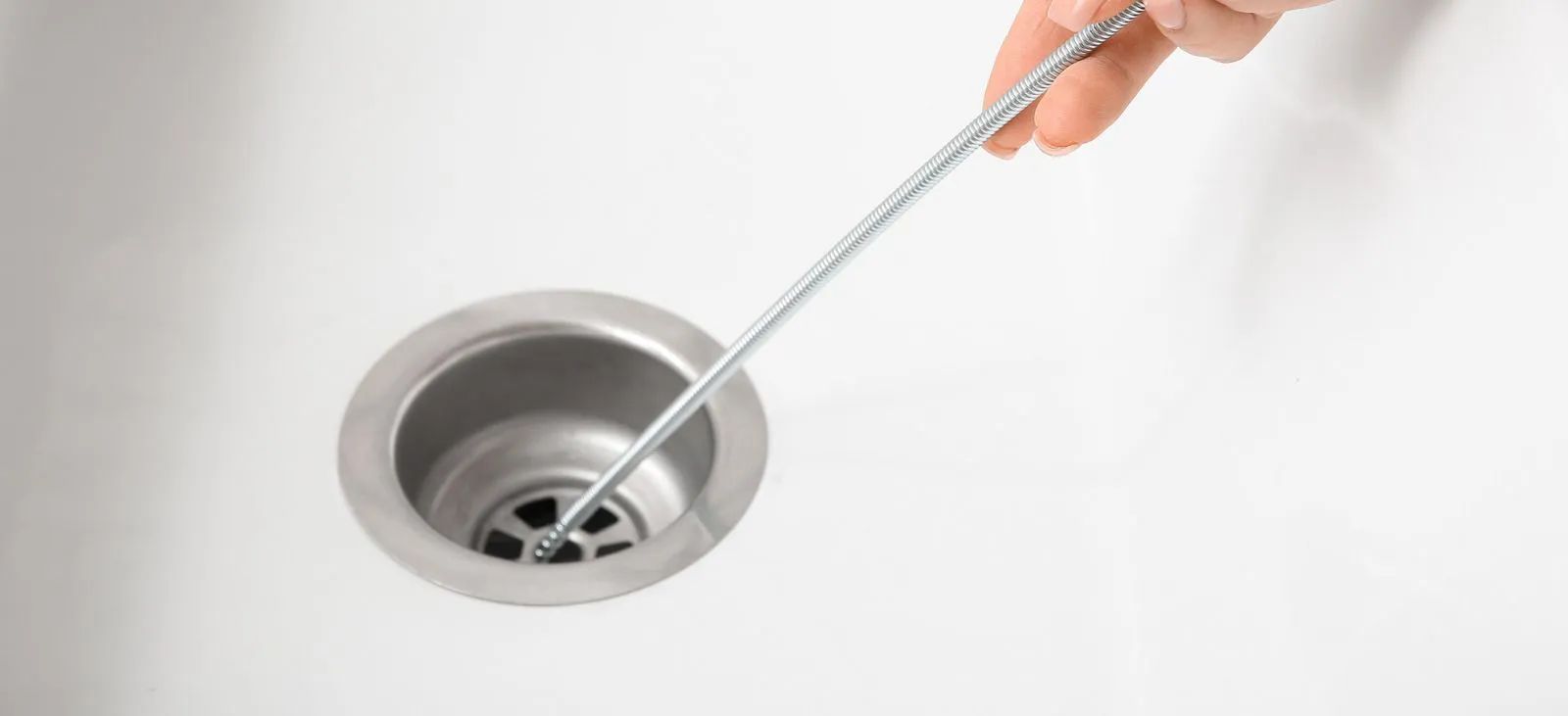
A sink plunger, used correctly with enough water in the basin to create a seal, clears a surprising number of everyday clogs without any chemical at all. For a clog that sits a bit further down, a hand-cranked or motorized drain snake reaches past the trap and physically pulls out or breaks up what's blocking the line. It handles organic buildup and smaller obstructions a chemical could never touch.
For buildup that's accumulated over months or years and coats the inside of a pipe rather than sitting in one spot, hydro jetting uses high-pressure water to scour the pipe walls clean instead of punching a single hole through the middle of the blockage. It's mechanical, not chemical, and it addresses the coating that keeps causing repeat clogs rather than just the visible plug.
Enzyme-based drain treatments offer a gentler middle ground for ongoing maintenance. These rely on biological cultures that break down organic waste gradually over time, without the heat or corrosive reaction that comes with lye or acid-based products. Think of them as upkeep between deeper cleanings, not an emergency fix for a drain that's already stopped moving.
Signs a Clog Has Moved Past What a Bottle Can Fix
A few patterns tell you it's time to stop reaching for chemical cleaner and get eyes on the actual line. A clog that returns within days or weeks of clearing, no matter what product or method you tried, points to a cause sitting deeper than any surface treatment can reach. Multiple drains slowing down around the same time, rather than just one, usually means the shared line those fixtures drain into has a restriction that no amount of chemical poured into a single sink will touch.
Gurgling from other fixtures when you run water. A sewage smell that lingers even after a drain clears. Water backing up into a lower fixture like a tub or floor drain. Each of these points toward the main line rather than a simple surface clog.
A camera inspection identifies exactly what's happening inside the pipe in any of these situations, whether that's root intrusion, a bellied section, scale buildup, or a structural issue, and matches the fix to the actual cause instead of another round of guesswork.
Frequently Asked Questions
Is it ever fine to use a liquid drain cleaner?
For a fresh, minor clog near the drain opening, occasional use may not noticeably affect modern pipes. Problems become more likely with repeated applications, older plumbing, or clogs that persist because the underlying blockage remains untreated and continues returning.
Why did the clog come back a few weeks after I used drain cleaner?
The cleaner likely dissolved only the surface portion of the blockage without removing deeper buildup, roots, or structural problems. Water flowed temporarily, but the remaining obstruction quickly collected debris again, causing the drain to slow once more.
Can drain cleaner damage a garbage disposal?
Yes. Chemical cleaners often fail to reach debris trapped around disposal components while exposing seals, metal parts, and internal surfaces to harsh chemicals. Repeated use can gradually increase wear and shorten the disposal's service life over time.
What should I do if the drain is still clogged after trying a chemical cleaner?
Avoid pouring another cleaner into the drain, especially a different formula. Leave the standing water undisturbed, since chemicals may still be present, and have the blockage safely removed using mechanical methods that address the actual cause instead.
How can I tell if my clog is a simple fixture issue or something bigger?
A single slow drain usually points to a local blockage. Multiple sluggish fixtures, gurgling sounds, sewage odors, or recurring backups typically indicate a restriction in the shared drain line rather than an isolated fixture clog.
Understanding When Professional Solutions Make More Sense
For homeowners in Litchfield Park, AZ, the goal is not simply getting water to drain again but making sure the blockage is truly gone without creating new plumbing problems in the process. With 21 years of experience, Drain Squad A Plumbing & Drain understands that recurring clogs usually point to an issue deeper in the system than any chemical product can reach. Looking beyond the immediate symptom often prevents repeated repairs and unnecessary wear on the plumbing network.
A drain that clears briefly before slowing again is usually telling a larger story about buildup, aging pipes, or an obstruction further along the line. Understanding how chemical cleaners interact with plumbing helps homeowners make informed decisions before
minor drainage issues become more complicated. A careful diagnosis and the right mechanical cleaning method protect the condition of the pipes while addressing the actual source of the restriction, resulting in longer-lasting performance and fewer recurring drainage problems.