Commercial plumbing systems support nearly every daily operation inside a business property, yet plumbing problems are often ignored until the damage becomes impossible to overlook. A slow drain in a restaurant kitchen, a leaking pipe behind a wall, recurring restroom backups, or inconsistent water pressure may appear manageable at first, but these issues rarely remain small for long. In commercial environments where plumbing systems experience heavy daily demand, even minor failures place stress on surrounding infrastructure and disrupt normal operations. Businesses that postpone repairs often face rising water bills, property damage, health concerns, customer dissatisfaction, and unexpected shutdowns that create far greater financial consequences than the original issue itself.
Modern commercial facilities rely on plumbing systems that are far more complex than residential setups, making early intervention even more important. Offices, retail centers, medical facilities, warehouses, restaurants, and industrial buildings all depend on properly functioning water supply and drainage systems to maintain safety, compliance, and operational continuity. When plumbing problems go unaddressed, the effects spread beyond pipes and fixtures into flooring, electrical systems, inventory, equipment, and employee productivity. Understanding how unresolved plumbing issues escalate helps business owners protect their investments, reduce avoidable costs, and maintain a safe environment for staff and customers throughout the year.
Small Plumbing Problems Often Become Major Structural Expenses
Hidden Water Damage Creates Long-Term Property Issues
Many commercial plumbing issues begin in concealed areas where leaks remain unnoticed for weeks or months. A small pipe leak behind drywall or beneath flooring slowly introduces moisture into the building structure, weakening materials over time. Water intrusion damages insulation, warps flooring, stains ceilings, and creates conditions that support mold growth. What may have started as a minor plumbing repair can eventually require structural restoration, drywall replacement, flooring installation, and remediation services.
Commercial buildings are particularly vulnerable because plumbing systems often extend through multiple floors, utility rooms, and shared spaces. A leak in one section of the building may affect offices, storage areas, tenant units, or customer-facing environments before the source is identified. Repair costs rise quickly once water damage spreads into surrounding infrastructure.
Delayed Repairs Increase Material Replacement Costs
Businesses sometimes delay plumbing repairs to avoid interrupting operations or spending money on what appears to be a small issue. Unfortunately, unresolved plumbing problems rarely stabilize on their own. Corrosion continues to spread inside aging pipes, pressure imbalances worsen, and drainage restrictions become more severe.
For example, a small crack in a commercial water line may eventually burst under pressure, flooding sections of the property and damaging expensive assets. Replacing a short section of pipe early costs far less than emergency restoration after a major failure. Early repairs preserve surrounding materials and prevent larger replacement projects later.
Water Damage Can Affect Equipment and Inventory
Commercial facilities frequently contain sensitive equipment, electronics, documents, and inventory that may be destroyed by plumbing failures. Water intrusion inside server rooms, retail storage areas, warehouses, or medical facilities can create major operational and financial losses. Businesses often underestimate how quickly moisture spreads once plumbing systems fail.
Restaurants may lose refrigerated inventory after drainage backups contaminate kitchen areas. Office buildings may experience electrical hazards and damaged technology systems. Manufacturing facilities may see interruptions that delay production schedules and client commitments. The longer plumbing problems remain unresolved, the higher the risk of widespread business disruption.
Unresolved Plumbing Issues Increase Operational Costs
Rising Water Bills Drain Business Revenue
Undetected leaks waste large amounts of water every day. Even a small leak inside a commercial plumbing system may increase utility expenses substantially over time. In facilities with extensive plumbing networks, water loss can continue for months before unusual billing patterns attract attention.
Running toilets, leaking supply lines, dripping fixtures, and underground pipe leaks all contribute to higher operating costs. Businesses paying for unnecessary water usage lose money every month while the plumbing issue continues to worsen behind the scenes.
Routine plumbing inspections help identify hidden inefficiencies before they create excessive utility expenses. Monitoring water usage trends also allows businesses to detect unusual consumption patterns early.
Emergency Plumbing Repairs Cost More Than Preventive Maintenance
Emergency plumbing services are often far more expensive than scheduled maintenance or early repairs. After-hours calls, emergency excavation, water extraction, temporary closures, and urgent replacement work increase repair costs significantly.
A neglected drain blockage during business hours may eventually become a severe sewer backup overnight. Burst pipes during weekends or holidays frequently require emergency response services that include water cleanup, sanitation, and immediate system restoration. Preventive maintenance helps businesses avoid these costly emergency situations.
Commercial properties that invest in routine inspections and maintenance usually experience fewer major plumbing failures. Scheduled service allows plumbing professionals to address developing issues before they escalate into emergencies that disrupt operations and strain budgets.
Equipment Efficiency Declines With Plumbing Problems
Many commercial systems depend on stable water pressure and reliable drainage to operate properly. Plumbing issues may reduce the efficiency of water heaters, boilers, dishwashing systems, cooling equipment, and industrial machinery connected to water supply lines.
Sediment buildup, mineral scaling, pressure inconsistencies, and drainage restrictions force connected equipment to work harder. Over time, this added strain shortens equipment lifespan and increases repair frequency. Businesses then face additional maintenance costs beyond the plumbing system itself.
Maintaining plumbing infrastructure supports the performance and longevity of connected commercial equipment throughout the facility.
Health, Safety, and Compliance Risks Continue To Grow
Plumbing Problems Create Sanitation Concerns
Commercial plumbing systems play a direct role in maintaining sanitary conditions throughout the property. Sewer backups, standing water, clogged drains, and leaking pipes create environments where bacteria, mold, and contaminants spread quickly.
Restaurants, healthcare facilities, schools, and commercial kitchens face especially high risks because sanitation standards remain heavily regulated. Unresolved plumbing problems may compromise food preparation areas, patient care spaces, and public restrooms.
Ignoring plumbing issues increases the possibility of contamination concerns that threaten both public health and business operations.
Slip Hazards and Unsafe Conditions Increase Liability
Leaks and flooding create dangerous walking conditions inside commercial properties. Wet floors increase the risk of slips and falls involving employees, customers, vendors, and visitors.
Business owners may face liability claims if plumbing-related hazards cause injuries on the property. Insurance claims, legal expenses, and reputational damage often cost far more than addressing the plumbing issue when it first appeared.
Maintaining plumbing systems helps businesses reduce preventable safety risks and demonstrate responsible property management practices.
Code Violations and Failed Inspections Can Affect Operations
Commercial buildings must comply with plumbing codes, health regulations, and safety standards that vary by industry and municipality. Persistent plumbing problems may lead to failed inspections, citations, or penalties from local authorities.
Restaurants may face health department violations due to drainage issues or plumbing contamination concerns. Commercial buildings may fail occupancy inspections because of unsafe plumbing conditions. Industrial facilities may violate environmental discharge regulations if drainage systems malfunction.
Staying proactive with plumbing maintenance helps businesses remain compliant while reducing the risk of fines and operational interruptions.
Preventive Plumbing Strategies Save Businesses Money
Routine Inspections Identify Problems Early
Preventive inspections remain one of the most effective ways to reduce long-term commercial plumbing expenses. Professional inspections help identify developing issues such as corrosion, pressure irregularities, slow drainage, hidden leaks, and aging components before major failures occur.
Early detection allows businesses to schedule repairs during convenient hours instead of dealing with unexpected emergencies that interrupt operations. Inspections also help prioritize plumbing upgrades based on system condition and future risk.
Drain Maintenance Prevents Costly Backups
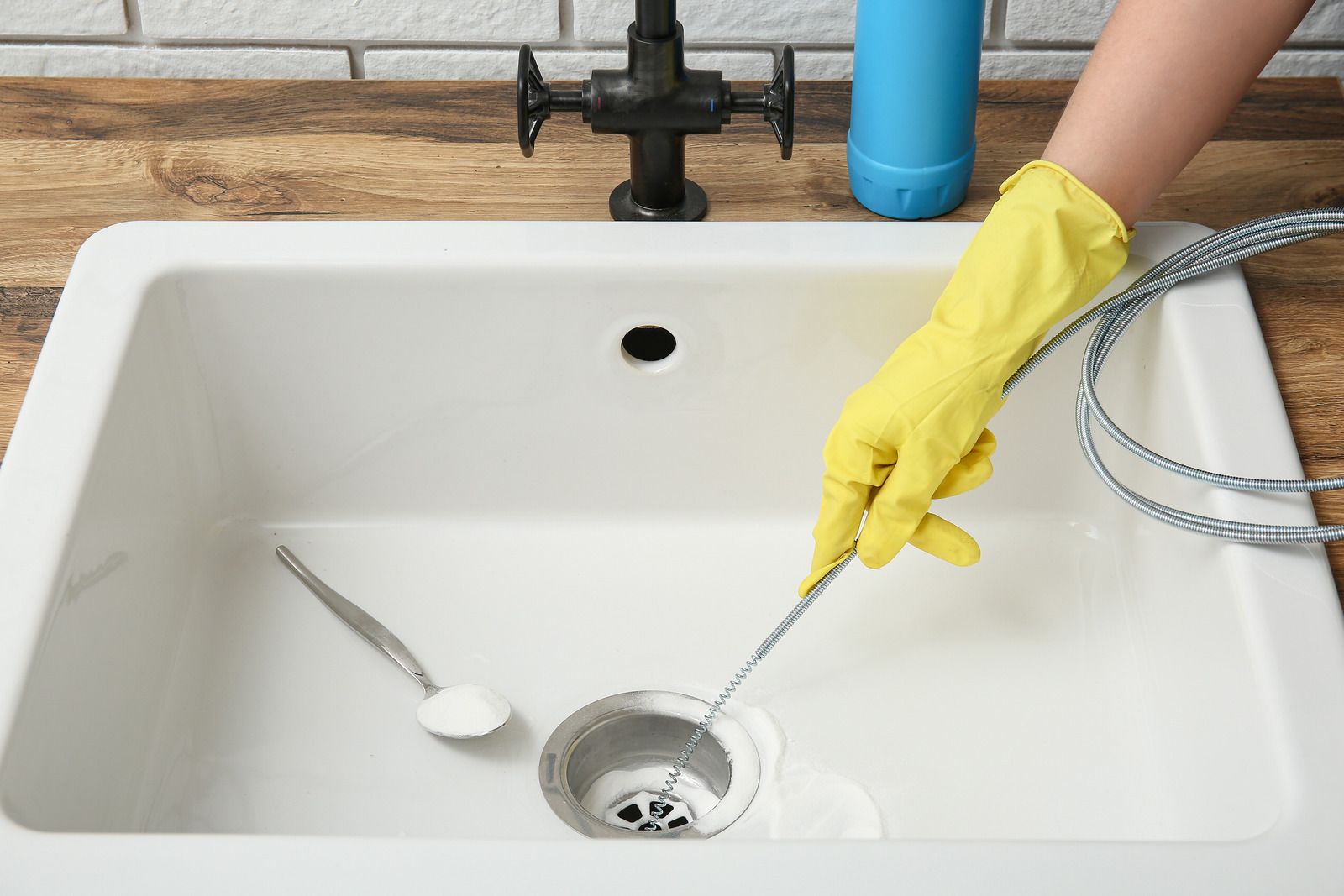
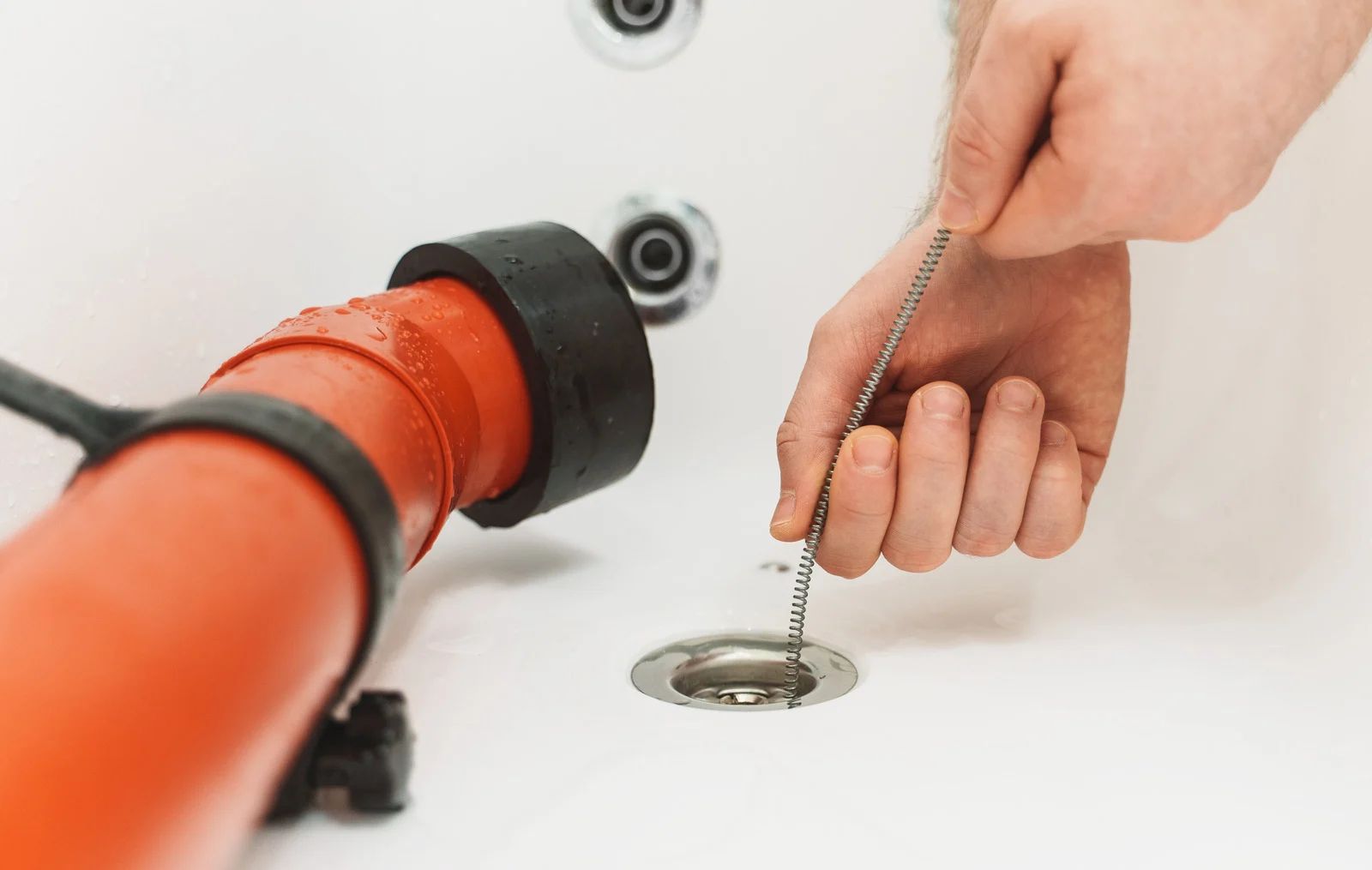
Commercial drains handle heavy usage every day, especially in restaurants, medical facilities, hotels, and industrial properties. Grease buildup, debris accumulation, and foreign objects gradually restrict drainage flow until serious blockages develop.
Routine drain cleaning helps maintain proper system performance and reduces the risk of backups that disrupt operations and damage property. Preventive drain maintenance also extends the lifespan of commercial plumbing systems by reducing pressure on connected pipes.
Modern Plumbing Upgrades Improve Long-Term Reliability
Older plumbing infrastructure often becomes increasingly expensive to maintain due to corrosion, material deterioration, and outdated system designs. Upgrading aging pipes, fixtures, valves, and water-efficient components helps businesses reduce repair frequency and improve system reliability.
Modern plumbing systems also support lower utility consumption and better overall performance. Businesses that invest in proactive upgrades often avoid repeated emergency repairs that create larger operational and financial burdens over time.
Skilled Commercial Plumbing Specialists Protecting Business Infrastructure Investments
Commercial plumbing problems rarely remain isolated or inexpensive when businesses ignore warning signs. What begins as a slow drain, hidden leak, or minor pressure issue can quickly expand into structural damage, sanitation concerns, operational disruption, and major financial loss. Commercial properties depend on plumbing systems every day to support employees, customers, equipment, and essential business operations. Delaying repairs increases repair costs, shortens equipment lifespan, raises utility expenses, and creates avoidable risks that affect the entire property.
Drain Squad A Plumbing & Drain proudly serves businesses throughout Litchfield Park, Arizona with trusted commercial plumbing solutions backed by 21 years of industry experience. Our approach focuses on identifying plumbing concerns before they escalate into expensive emergencies that disrupt operations and damage commercial properties. We understand how critical reliable plumbing systems are for maintaining safe working conditions, protecting customer experiences, and supporting uninterrupted business activity across commercial environments of every size.
Our commercial plumbing services are built around practical solutions, honest communication, and workmanship designed to support long-term system reliability. Businesses throughout the region continue to trust us because we bring real experience, dependable service, and a strong understanding of commercial plumbing systems to every project. When plumbing concerns begin affecting your property, operations, or utility costs, working with knowledgeable professionals helps protect both your facility and your investment for the future.